Grow Your Own. Explore Hydroponics.
Hydroponic Nutrient Calculator & Plant Growing Guides
Learn how to grow plants hydroponically, explore crop-specific nutrient profiles and calculate your own nutrient solution recipes. Grow Like Pro connects practical growing guides with NPK Calc, a free professional hydroponic nutrient calculator for beginners, experienced growers and researchers.
Explore herbs, lettuce, leafy greens, flowers, berries, fruit and vegetables. Find growing information for your kitchen, balcony or indoor garden, and understand how lighting, water and plant nutrition work together.
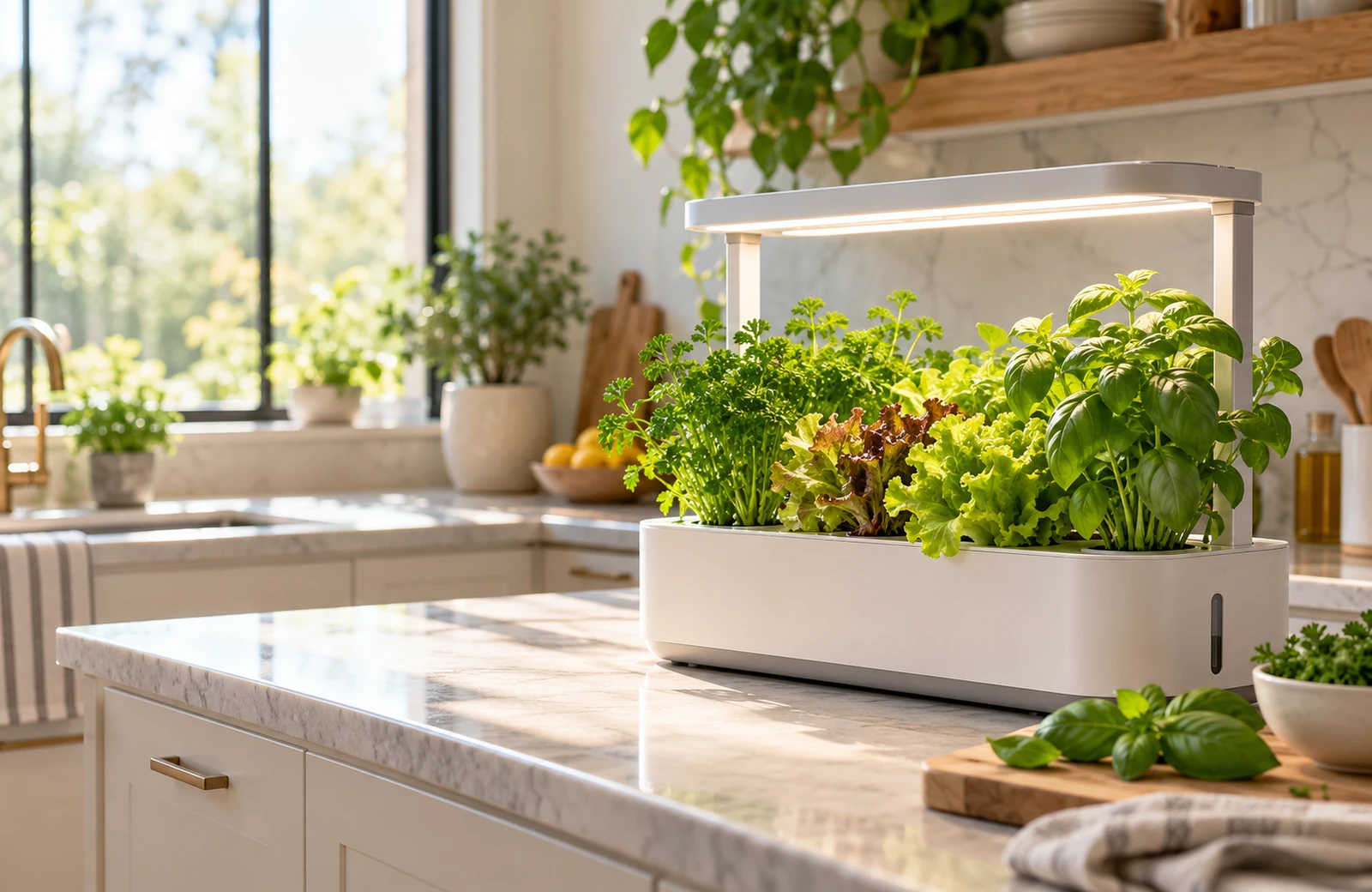
Explore Hydroponic Growing Guides and Plant Nutrient Profiles
Choose a plant and explore its growing conditions, nutrient requirements and care. Our plant catalogue brings together detailed guides for edible crops and ornamental flowers.
Learn how to grow hydroponic tomatoes, grow cucumbers indoors, cultivate peppers hydroponically or start with lettuce and culinary herbs. Explore strawberries, root vegetables, microgreens and flowering plants, with guidance tailored to each species.
Plant guides connect nutrient solution profiles with lighting, temperature, suitable systems, plant care and harvesting. Where supported by the source, nutrient tables include adjustments for different growth stages.
Visit the plant catalogue to search for a species and filter profiles by plant group, difficulty or growing system.
NPK Calc: A Professional Hydroponic Nutrient Calculator
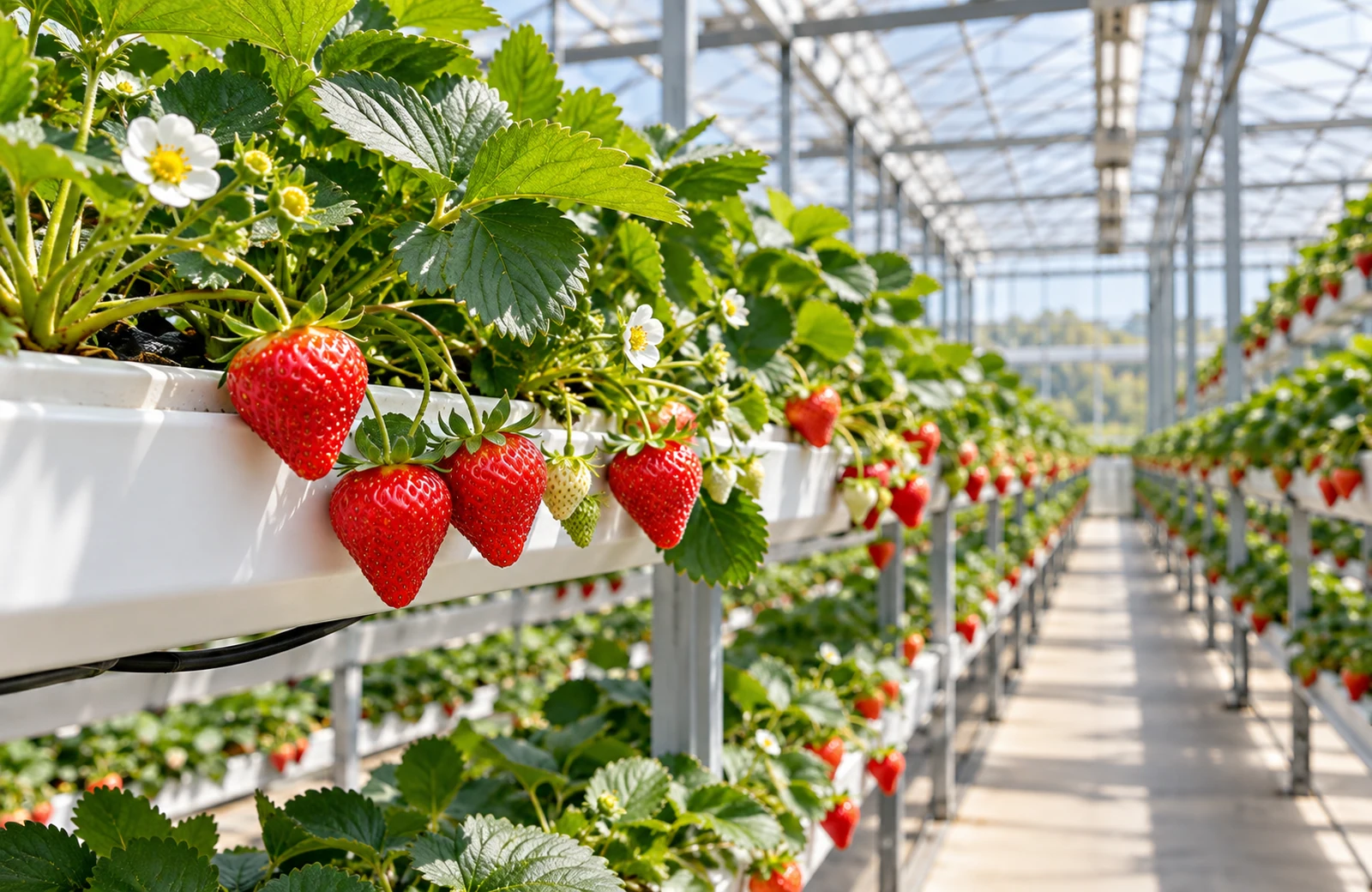
Calculate fertiliser quantities for a target nutrient profile and examine the elemental composition of your nutrient mix. NPK Calc helps you connect the plant nutrition you want to achieve with the ingredients used to prepare your solution.
Use this nutrient solution calculator to work on custom hydroponic recipes, calculate fertiliser amounts in grams and compare the resulting nutrient concentrations with your chosen targets. It also calculates the elements supplied by an existing fertiliser mix.
Whether you are looking for a fertilizer mixing calculator, a hydroponic nutrient recipe calculator or a nutrient formulation tool, NPK Calc supports a structured approach to preparing plant feed.
Explore the plant nutrient profile database, develop your formulations and save nutrient recipes for future use. Saved recipes are stored on our server and accessed through the calculator with your Telegram account.
NPK Calc is free and opens as a Telegram Mini App. No separate Grow Like Pro website registration is required.
It works on any platform, including Android, iOS and Windows, through Telegram or Telegram Web in any browser. A Telegram account is required to access the Mini App.
Understand Hydroponic Nutrient Recipes and Plant Nutrition
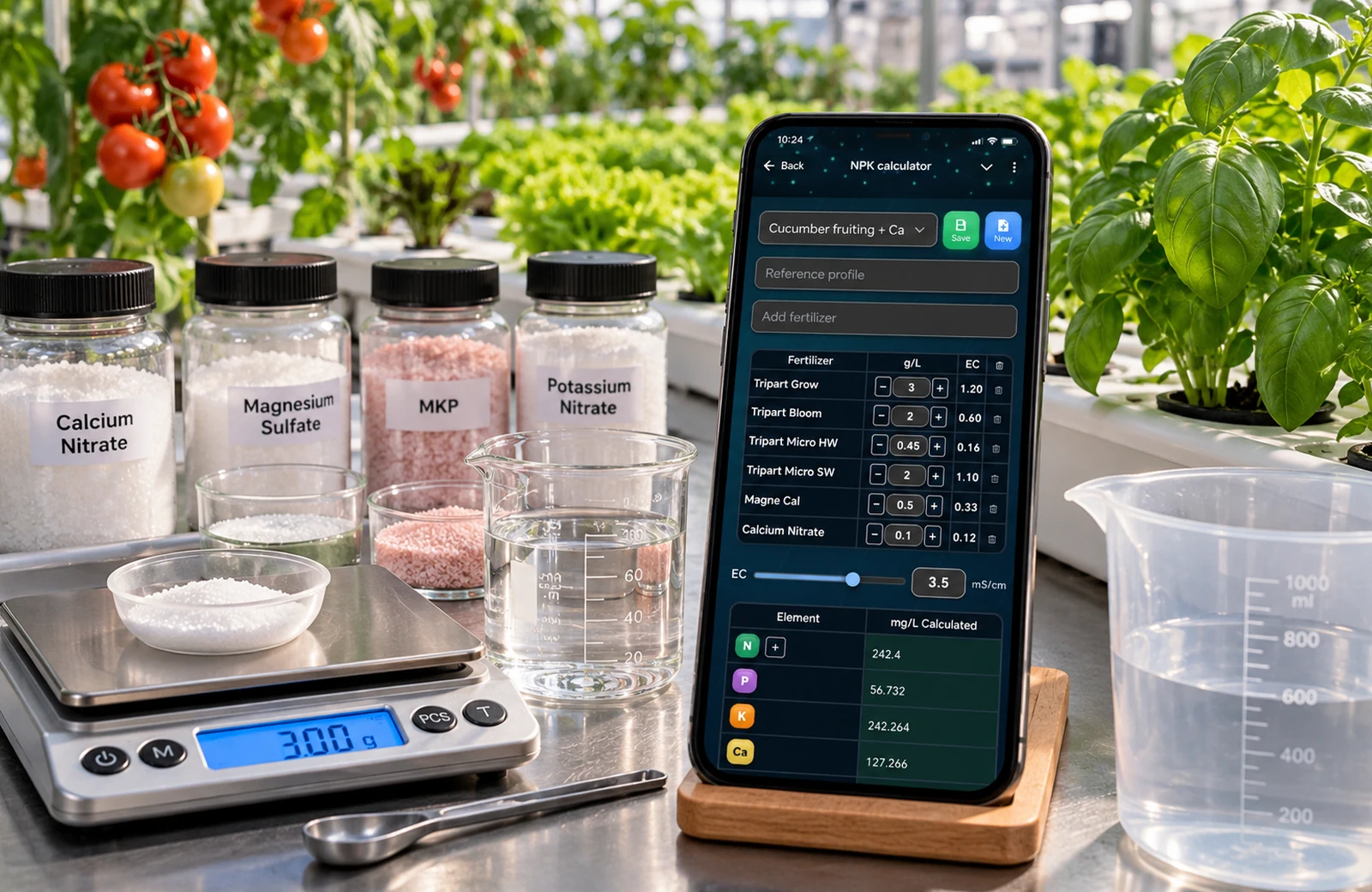
A plant nutrient profile describes target concentrations of individual elements. A nutrient solution recipe describes the fertilisers and quantities used to prepare that solution. Understanding the difference helps you compare formulations and repeat your calculations.
Explore crop-specific hydroponic nutrient profiles, feeding guidance and nutrient composition tables within our plant articles. Study nitrogen, phosphorus and potassium alongside calcium, magnesium, sulphur and essential micronutrients.
Profiles expressed in mg/L let you compare individual nutrient concentrations rather than relying only on an NPK ratio or a general feeding chart. Where appropriate, articles distinguish between growth stages and explain the context of the published formulation.
Use these profiles as starting points. Your source water, plant variety, system and growing environment can affect the recipe needed to approach a target composition.
Learn How to Mix Your Own Hydroponic Nutrients
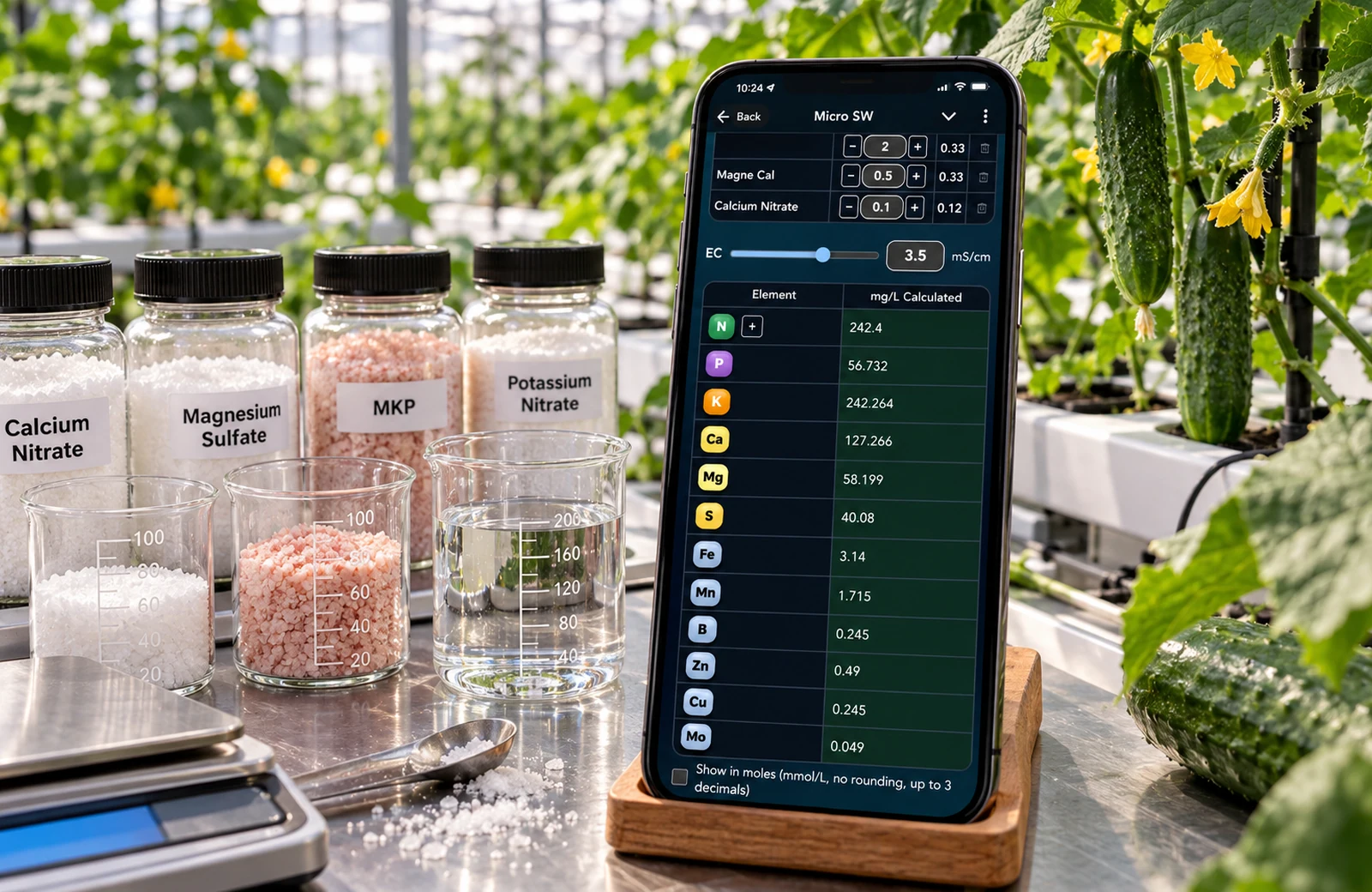
Preparing a hydroponic nutrient solution starts with a target profile, suitable fertilisers and a defined water volume. Learn how ingredient composition and mixing quantities affect the nutrients supplied to your plants.
Explore DIY hydroponic nutrient preparation, fertiliser calculations and solution management. Understand why one ingredient can contribute several elements, and how those contributions affect the balance of the complete mix.
Connect your nutrient recipe with source water quality, pH and electrical conductivity. Learn what these measurements tell you, how to monitor your solution and why EC alone cannot describe the concentration of every nutrient.
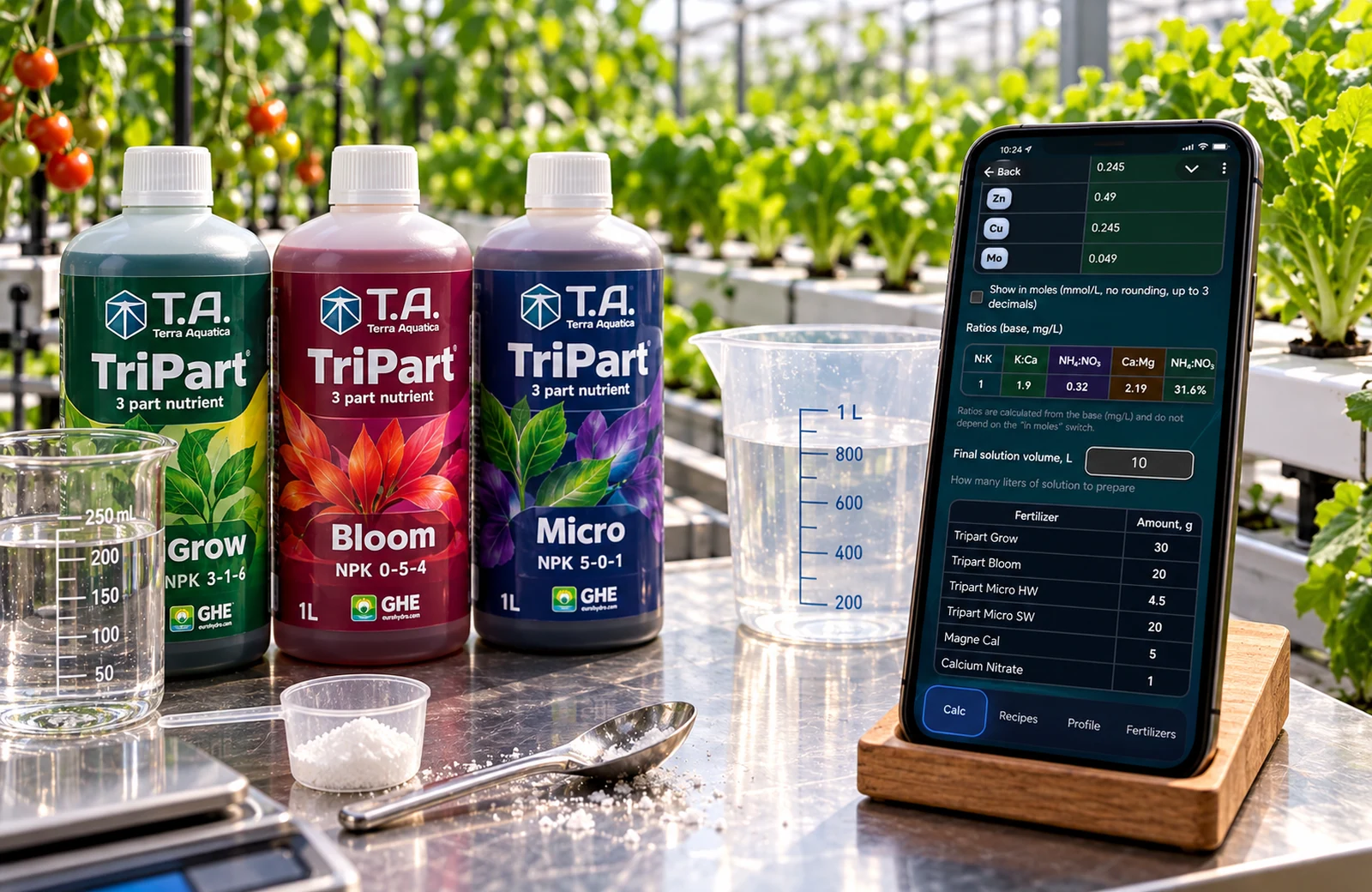
Learn Hydroponics, from Your First Setup to Nutrient Formulation
Start with the fundamentals of growing plants without soil, or explore a topic in more depth. Our learning sections connect hydroponic systems, water quality, plant nutrition, lighting and equipment.
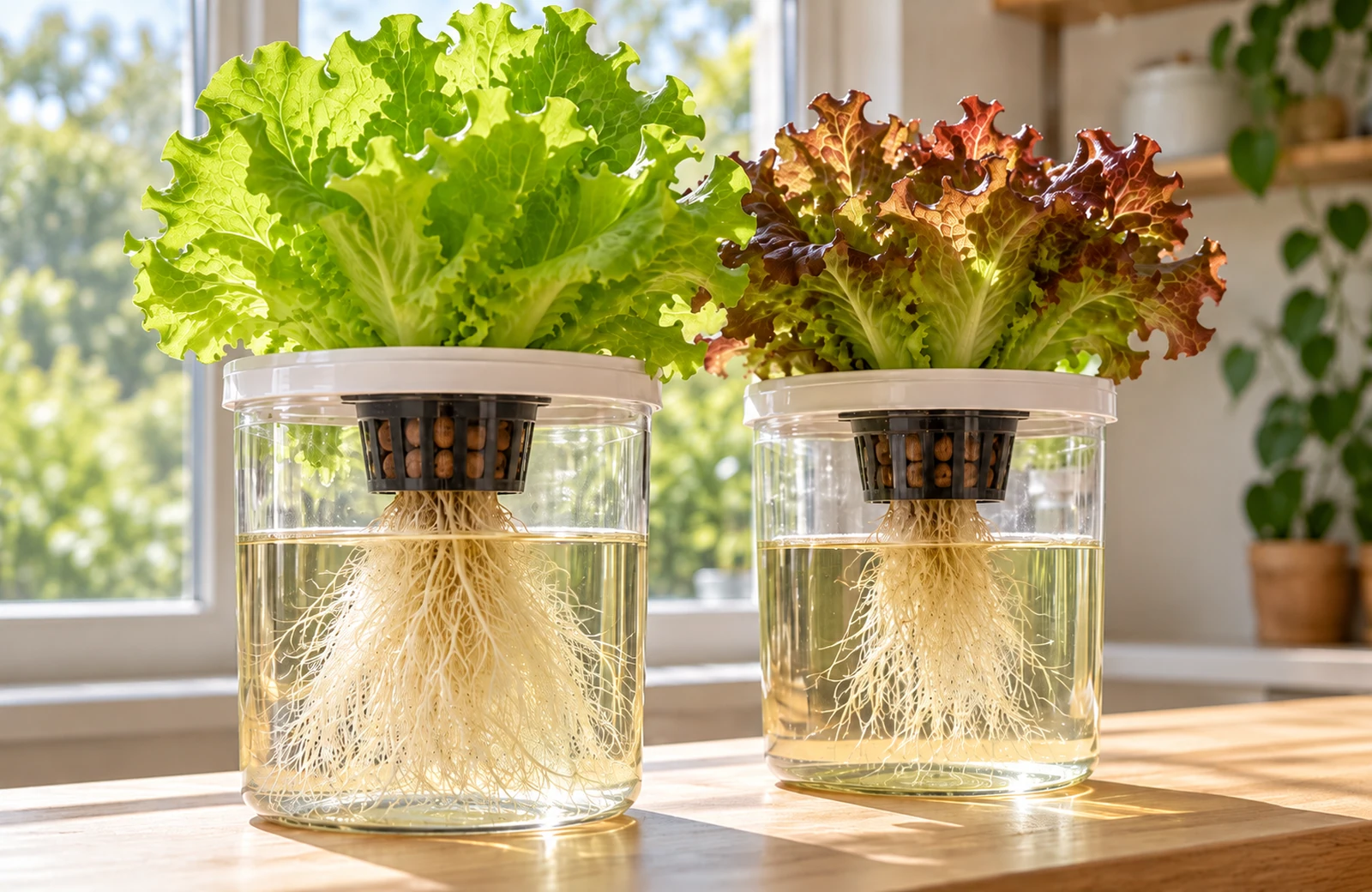
Learn how Kratky, deep water culture, nutrient film technique and drip systems work. Understand how roots receive water, nutrients and oxygen, and choose an approach that suits your plants and routine.
Beginners can follow a guided first grow. Experienced growers can compare approaches and refine their routines. Students and researchers can use source-led articles and nutrient profiles as starting points for further investigation.
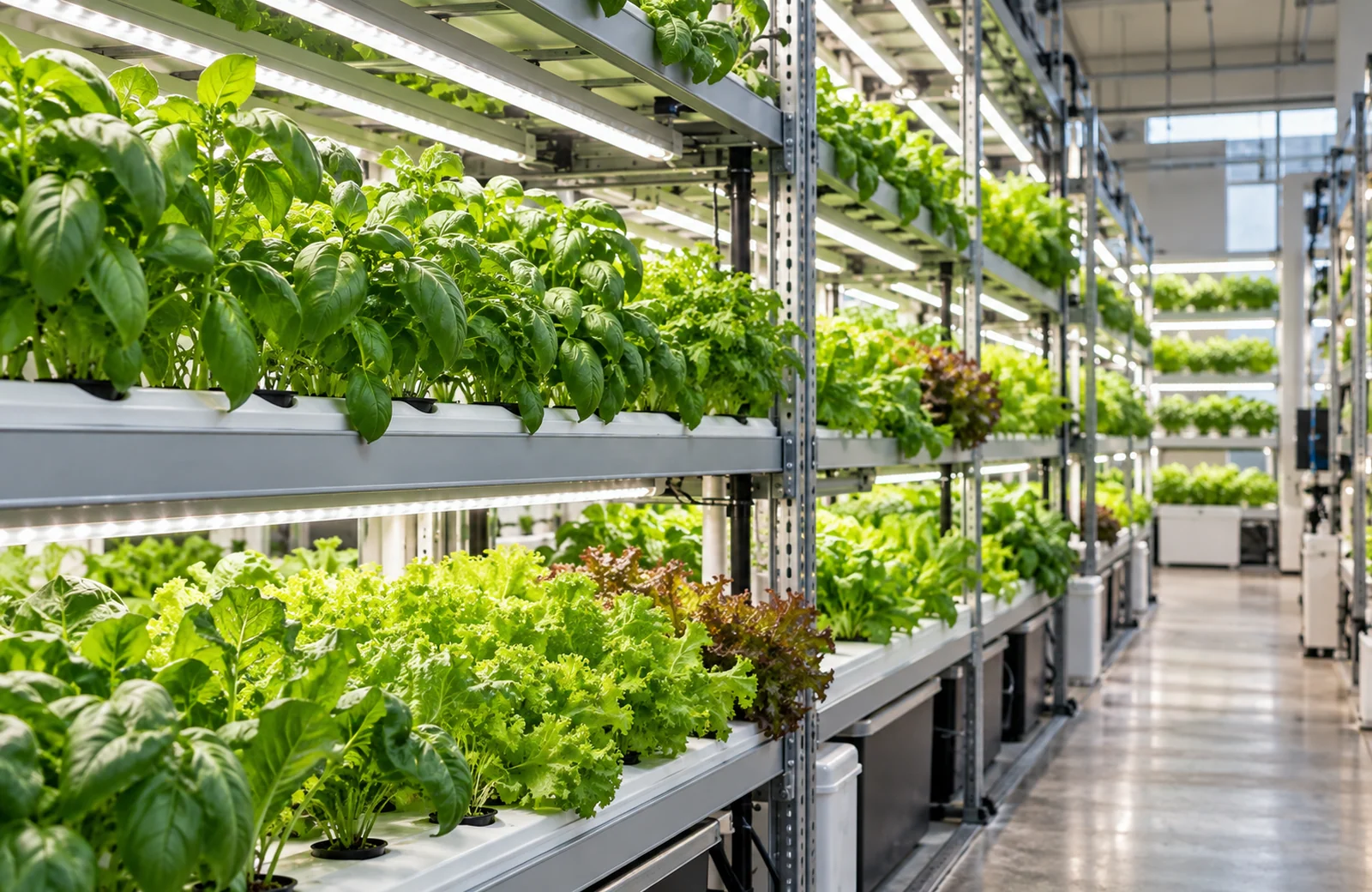
Grow Plants Indoors Under LED Grow Lights
Create an indoor growing space on a kitchen shelf, in a grow tent or in another suitable area of your home. Learn how to grow herbs under LED lights, cultivate hydroponic lettuce and provide the conditions needed by flowering and fruiting plants.
Explore light intensity, photoperiod, canopy coverage and fixture placement. Use crop-specific guidance to connect your LED grow light setup with temperature, nutrition and plant development.
A compact herb garden and a fruiting tomato plant need different plans. Choose plants that suit your space and use their growing profiles to understand the requirements before expanding your setup.
For balcony hydroponics, consider available daylight, temperature and exposure. For indoor gardening, plan artificial lighting around the crop and the area you want to illuminate.
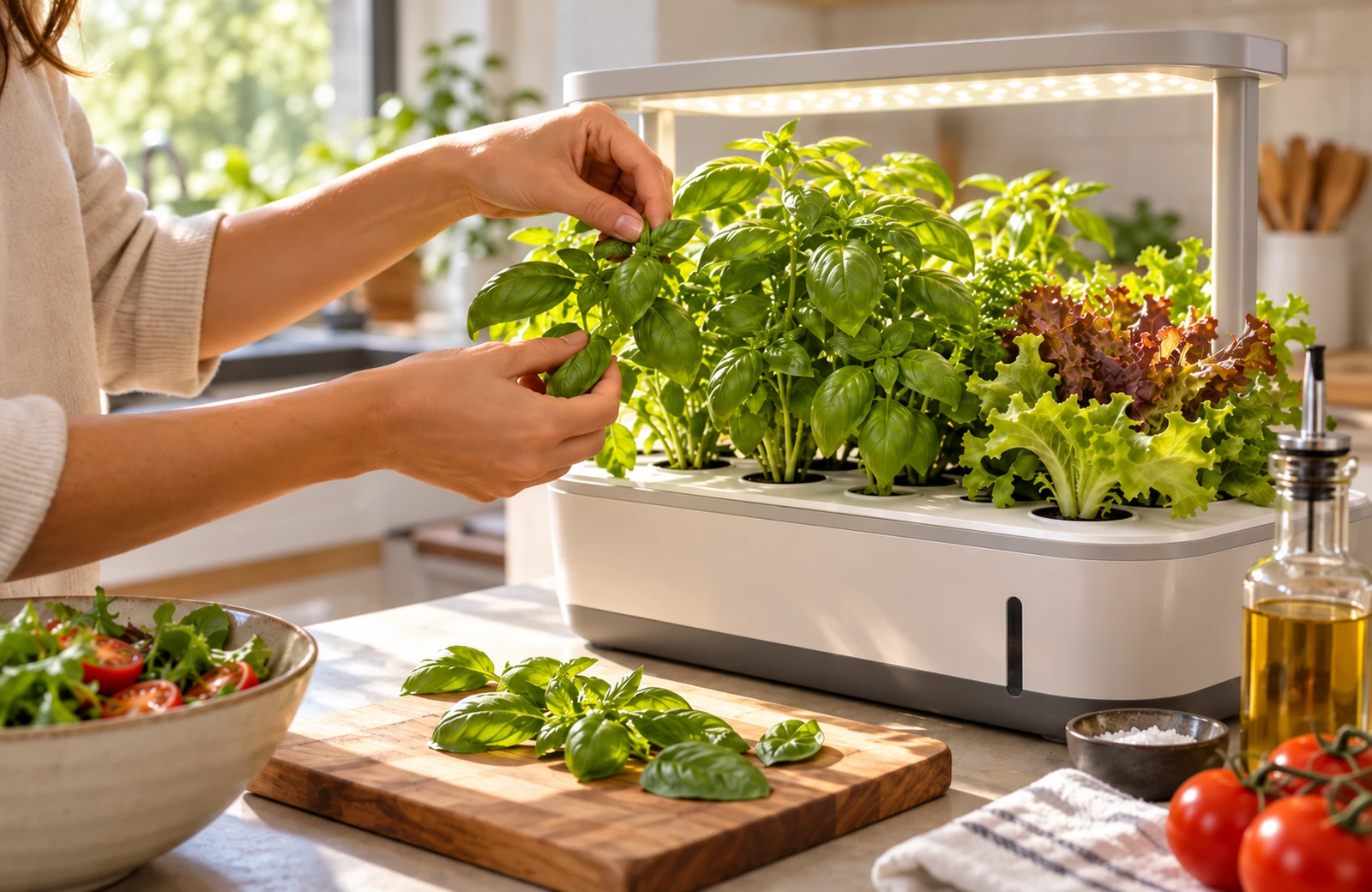
Grow Your Own at Home
Pick herbs before cooking, harvest fresh salad leaves and enjoy fruit soon after it ripens. Home growing can bring the harvest closer to your kitchen and give you control over when and how you pick it.
Choose varieties for flavour, appearance and suitability for your space. Understand the nutrients you supply and the plant care you use. If you want to grow without applying chemical pesticides, plan around prevention, regular inspection and suitable pest management.
Growing at home also lets you explore plants beyond the usual supermarket selection. Harvest smaller amounts when needed, learn through observation and share the growing process with your family.
Whether you grow food or flowers, start with a manageable setup and build your knowledge through experience.
Understand Plant Health and Growing Problems
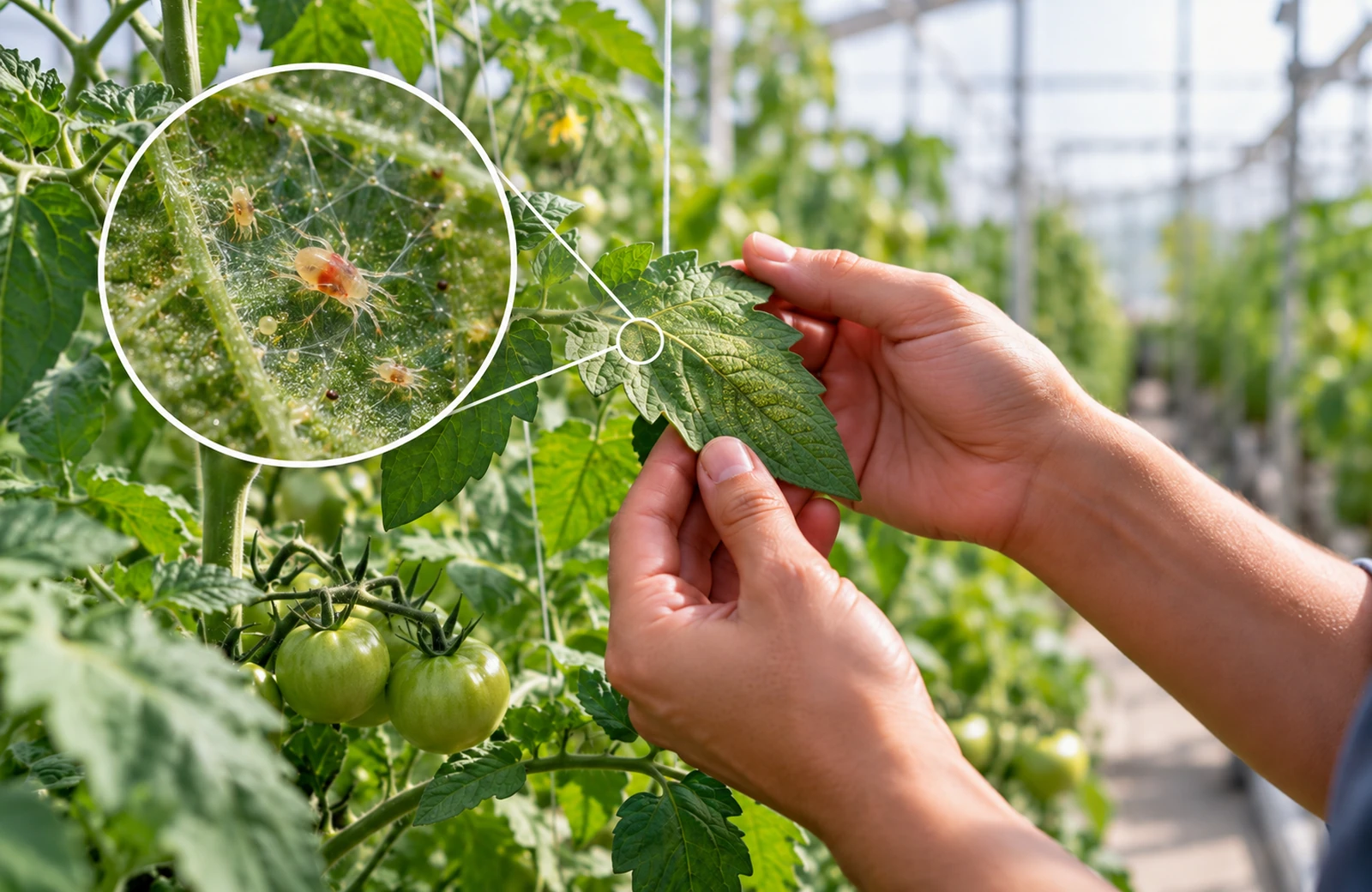
Healthy growth depends on more than the fertiliser recipe. Explore nutrient deficiencies, pests, diseases and environmental stress, and learn what to check before changing your plant care.
Start with the symptoms, inspect roots and growing conditions, and review your measurements. Similar symptoms can have different causes, so use a methodical approach rather than assuming every problem requires more nutrients.
Growing Information with Sources and Context
Grow Like Pro prioritises extension publications, primary research and relevant technical documentation. Nutrient profiles and numerical growing guidance include source information and context where available.
Use published guidance to inform your decisions while considering the variety, system, growth stage and environment of your own plants.
Hydroponics and Nutrient Calculator FAQ
What is a hydroponic nutrient calculator?
A hydroponic nutrient calculator connects fertiliser ingredients with nutrient concentrations in a solution. NPK Calc calculates ingredient quantities for a target profile and the elemental composition supplied by a fertiliser mix.
Is NPK Calc only an NPK ratio calculator?
No. NPK Calc works with complete nutrient formulations, including macronutrients and micronutrients. Nitrogen, phosphorus and potassium are part of the calculation, but they do not describe the whole solution.
How do I calculate fertiliser amounts for hydroponics?
Define your target nutrient concentrations, select fertilisers with known composition and specify the solution volume. Use NPK Calc to calculate quantities and compare the resulting nutrient profile with your targets.
Can I calculate the nutrients in an existing fertiliser mix?
Yes. Enter the fertilisers and quantities in NPK Calc to calculate the elements supplied by the mix. This helps you examine an existing recipe and compare it with a plant nutrient profile.
Where can I find hydroponic nutrient solution recipes?
Explore the nutrient profiles within our plant growing guides and the profile database in NPK Calc. Review the source and growing context before using a formulation as a starting point for your own recipe.
What is the difference between a nutrient profile and a fertiliser recipe?
A profile defines target nutrient concentrations. A recipe specifies ingredients and quantities for preparing a solution. Different fertilisers or source water can require different recipes to approach the same profile.
Can I make my own hydroponic nutrients?
Yes. You can prepare nutrient solutions from suitable fertilisers with known composition. Start with a complete profile, calculate the contributions of each ingredient and follow appropriate preparation and mixing guidance.
Are nutrient concentrations in mg/L the same as ppm?
In dilute water-based solutions, 1 mg/L is approximately 1 ppm. A ppm value displayed by an EC meter is different: it is an estimate derived from conductivity and does not report the concentration of each individual nutrient.
Does EC tell me whether a nutrient solution is balanced?
No. EC helps monitor overall dissolved ion levels, but different nutrient mixtures can have similar readings. It does not show whether individual elements match your intended profile.
Do all hydroponic plants need the same feeding recipe?
No. Nutrient requirements vary with species, growth stage and growing conditions. Use a relevant profile and consider your water and system instead of assuming that one recipe is ideal for every plant.
Can I save nutrient recipes in NPK Calc?
Yes. Saved recipes are stored on our server. Access the calculator through the same Telegram account to return to your saved formulations.
Is NPK Calc free, and do I need to register?
NPK Calc is free to use through a Telegram Mini App. No separate website registration is needed, but you need a Telegram account to access it.
How do I start hydroponics at home?
Choose a plant and a manageable growing system. Learn how the system provides water, nutrients and root oxygen, then plan lighting and care around the plant’s requirements. Our Start Here section provides a guided introduction.
Can I grow hydroponic plants in my kitchen or on a balcony?
Yes, if the space and conditions suit the plant. Indoor areas may need LED grow lights, while balconies require attention to sunlight, temperature, wind and seasonal changes.
How do I grow hydroponic tomatoes?
Start with a variety suited to your space. Plan suitable lighting, plant support, nutrition and pollination. Our tomato guide includes indoor growing conditions, nutrient profiles, training and harvesting information.
How do I grow hydroponic cucumbers indoors?
Choose a suitable variety and provide enough light, root space and support. Review its pollination needs and follow appropriate nutrient and pruning guidance.
Can I grow peppers and superhot chillies hydroponically?
Yes. Sweet peppers, jalapeños and superhot varieties can be grown hydroponically with suitable conditions. Use guidance for the plant you choose, including lighting, nutrition, flowering and fruiting.
Can I grow lettuce and herbs under LED lights?
Can I grow strawberries hydroponically at home?
Yes, with an appropriate variety, suitable conditions and a manageable system. Plan lighting, nutrition and pollination around the plant’s needs.
Can flowers and ornamental plants grow without soil?
Many can. Our catalogue includes roses, gerbera, anthurium and alstroemeria. Explore each plant’s profile for its growing conditions, root environment, nutrition and flowering requirements.
How do I choose LED grow lights for hydroponics?
Start with the crop, canopy area and required light levels. Consider usable coverage, intensity at plant level, fixture placement and daily lighting duration. Advertised wattage alone does not establish whether a lamp suits your setup.
Why grow your own instead of buying everything in a shop?
Home growing lets you harvest when you want, explore different varieties and understand how your plants were cultivated. It can complement supermarket shopping and bring fresh harvests closer to your kitchen. Costs and yields depend on the crop and setup.
Is hydroponic produce automatically organic or pesticide-free?
No. Hydroponics describes the growing method. Other claims depend on the inputs, practices and applicable standards. Growing at home lets you decide what you apply to your plants.
Is Grow Like Pro only for beginners?
No. The site is for beginners, experienced growers, students and researchers interested in hydroponics, plant nutrition and growing conditions.
Explore a Plant. Understand Its Nutrition. Start Growing.
Choose a plant from our catalogue, study its nutrient profile and explore the conditions it needs. Use NPK Calc to work on your feeding recipe and our learning sections to develop your growing approach.
Grow your own at home, with information you can examine and put into practice.